"We were happy.
As children, we used to make a torch from fabric. We would ransack old rugs and scraps of fabric and round them into a ball. Some would hold the ball tight and others would wrap wire around it. Then we'd soak it in kerosene, light it and circle it over our heads, yelling: "Novruz! Novruz! Give us our Novruz!" Adults would come out of their houses and give us sweets, galettes (biscuits) or eggs. We would knock on neighbors' and relatives' doors, ask for more and then go home with a bag full of sweets, cookies and eggs. Once home, our parents would scold us, asking, 'Where have you been?' 'To collect sweets!' we'd shout, laughing.
Today the torch is no more. There are just bonfires. People jump over a pyre and make a wish that their pain and troubles go away and that health, kindness and long life come in the new Novruz Bayrami, they say.
We were happy."
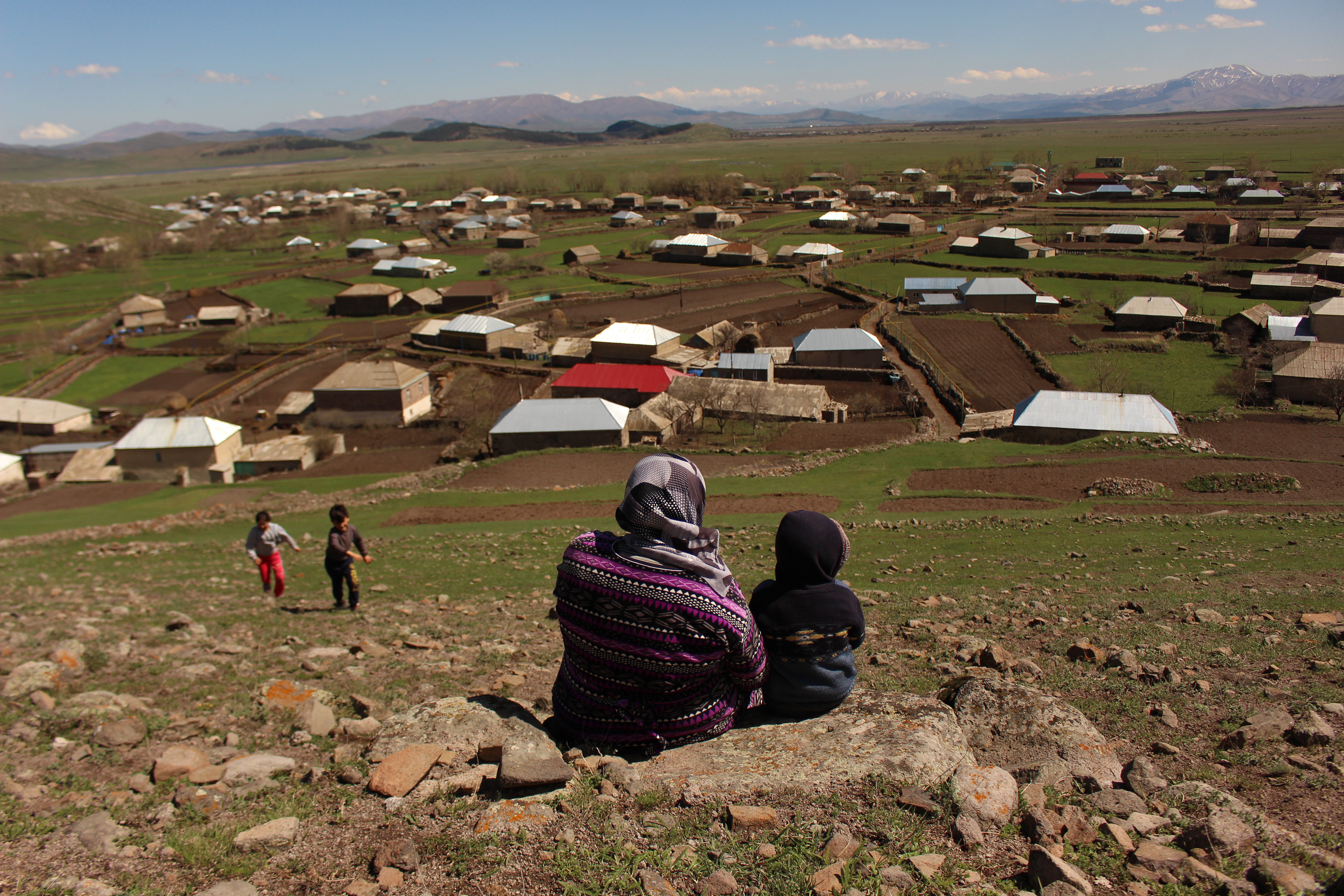
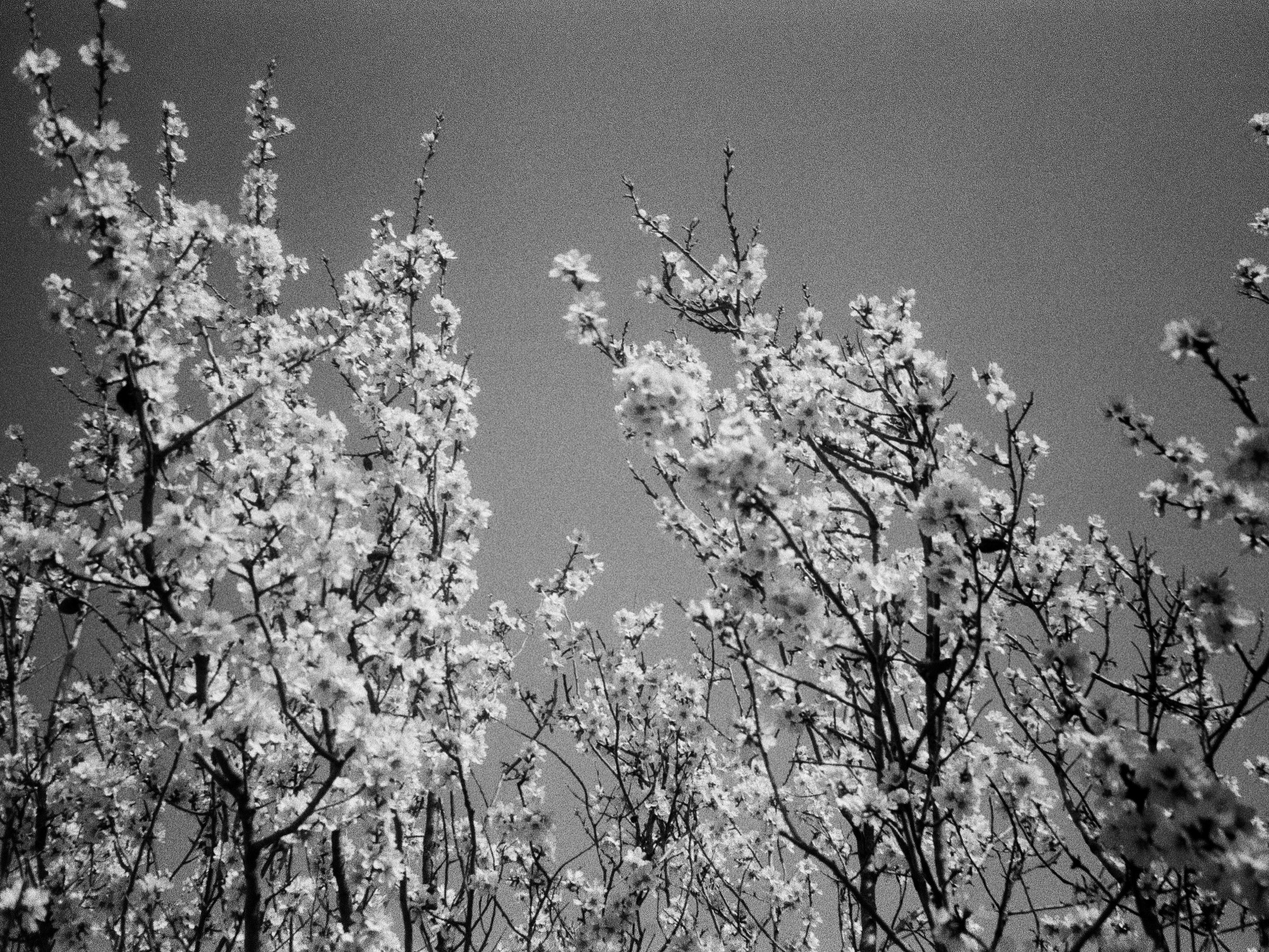
Childhood memories of Novruz, new day, are among Yetar Yusubova's most precious. Today, as it was then, every March, as the days grow longer, the air gets balmier and the flowers start to bloom, her village Irganchai, home to a large Azerbaijani community, is in full anticipation. Novruz is the jubilee for the arrival of spring.
On March 21, the day of the spring equinox, millions – from the Balkans and the Middle East to Central Asia – follow a 3, 000 - year - old tradition and mark the new year. Although mainly celebrated in Muslim – majority countries, Novruz transcends religion, cultures and nationalities. The celebration is so significant that it features in the List of the Intangible Cultural Heritage of Humanity compiled by UNESCO, the cultural arm of the United Nations.
Novruz Bayrami, which translates festival of the new day, is central to the life of Georgian Azerbaijanis, the largest minority group in Georgia, making up about seven percent of the whole population. Traditionally Georgia's president and prime minister join the festivities to affirm that the country's unity and strength lay in its diversity.
The four weeks leading up to Novruz are filled with celebrations and rituals.
It is a moment of togetherness and family. Cobwebs are swept away and houses are given a thorough spring cleaning. New clothes are bought or sewn. Traditional dishes are cooked up in the kitchen, neighbors and relatives visit and children wait impatiently for presents and sweets.
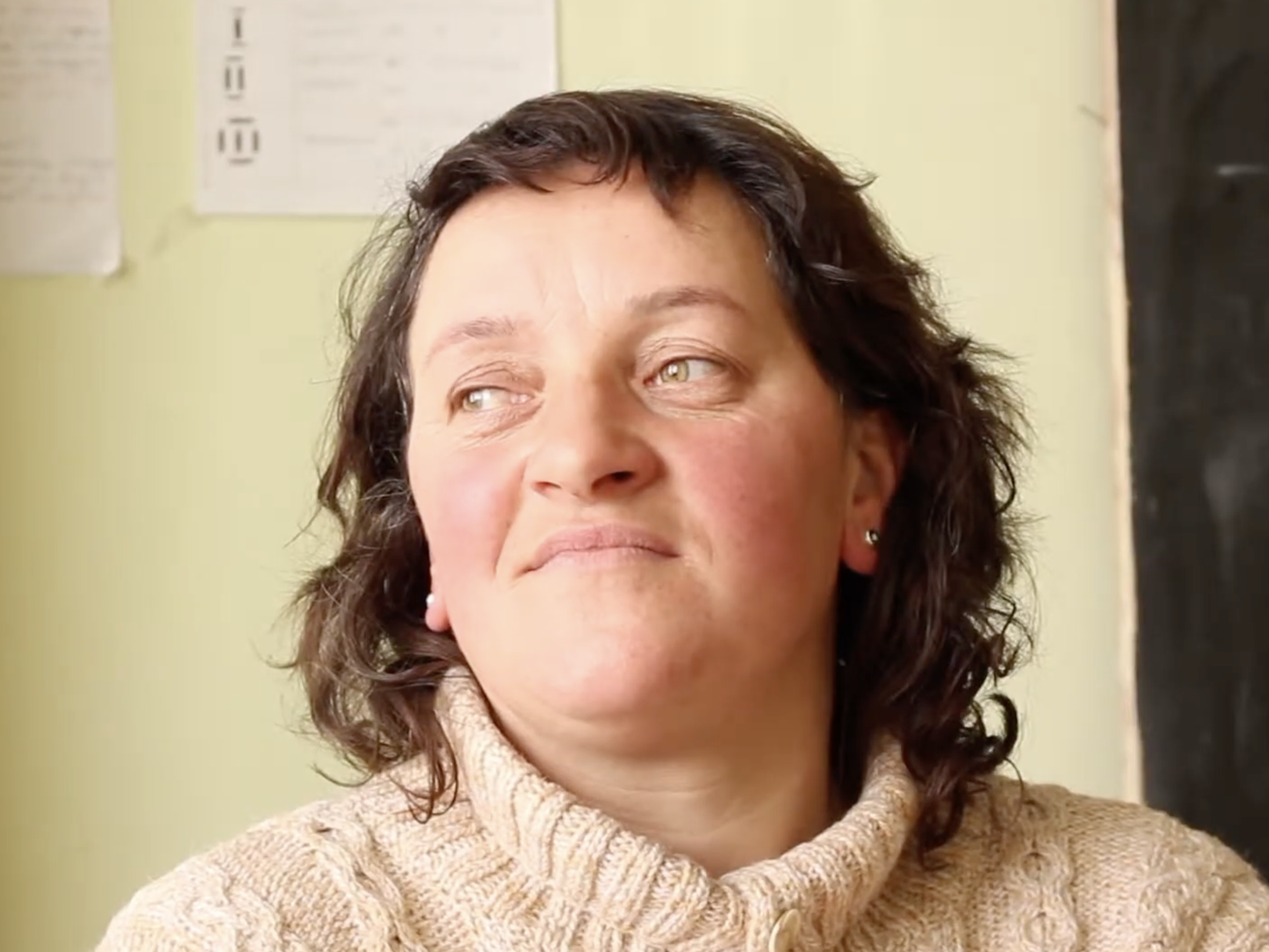
For Yetar, it is a timeless joy - a holiday that still brings her happiness.
The photo essay "Georgian Azerbaijanis and The Spring Jubilee" is a part of Chai Khana Media's first printed photo book "Fragments of a Whole".
Photo Editor: Nino-Ana Samkharadze
Text Editor: Monica Ellena
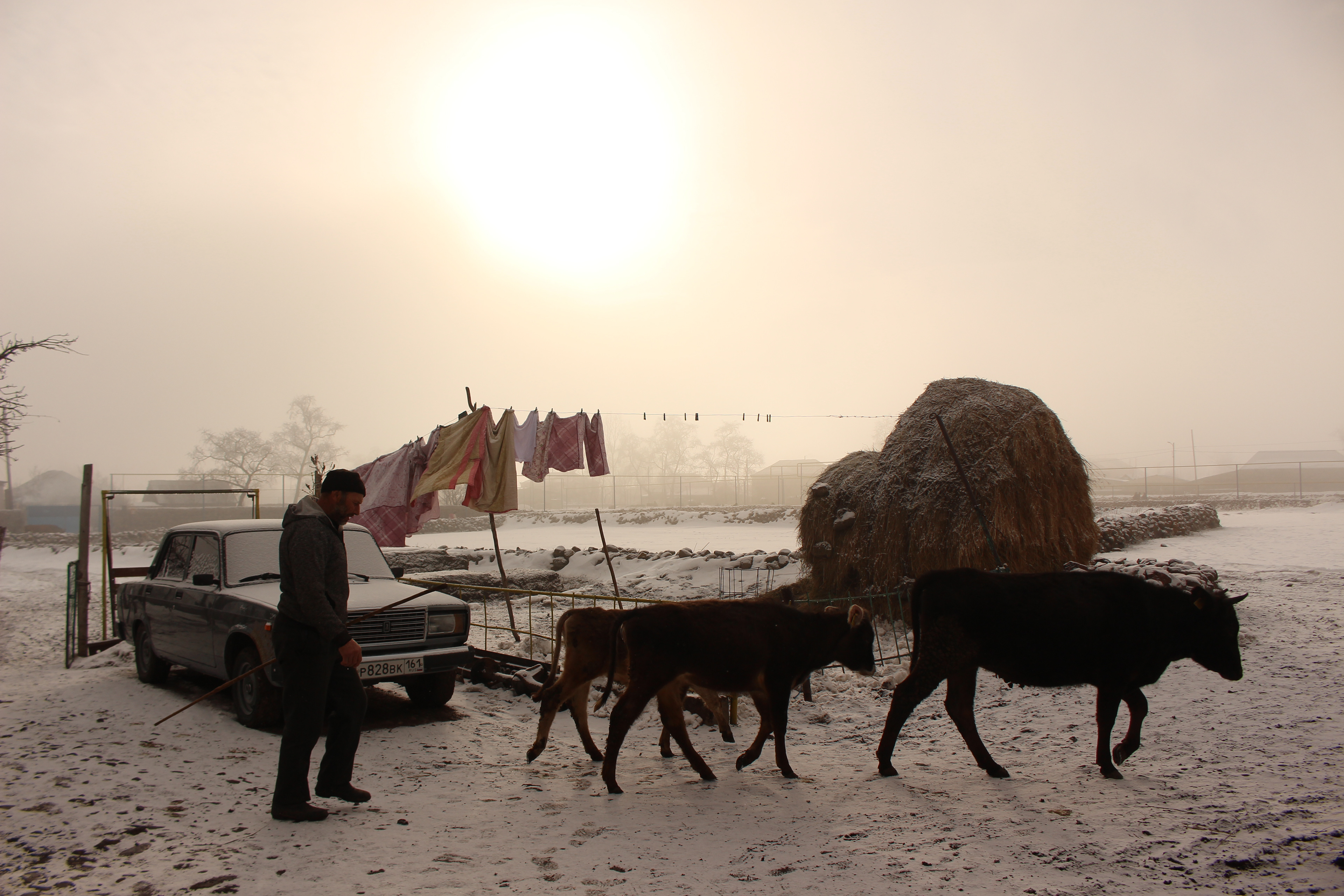
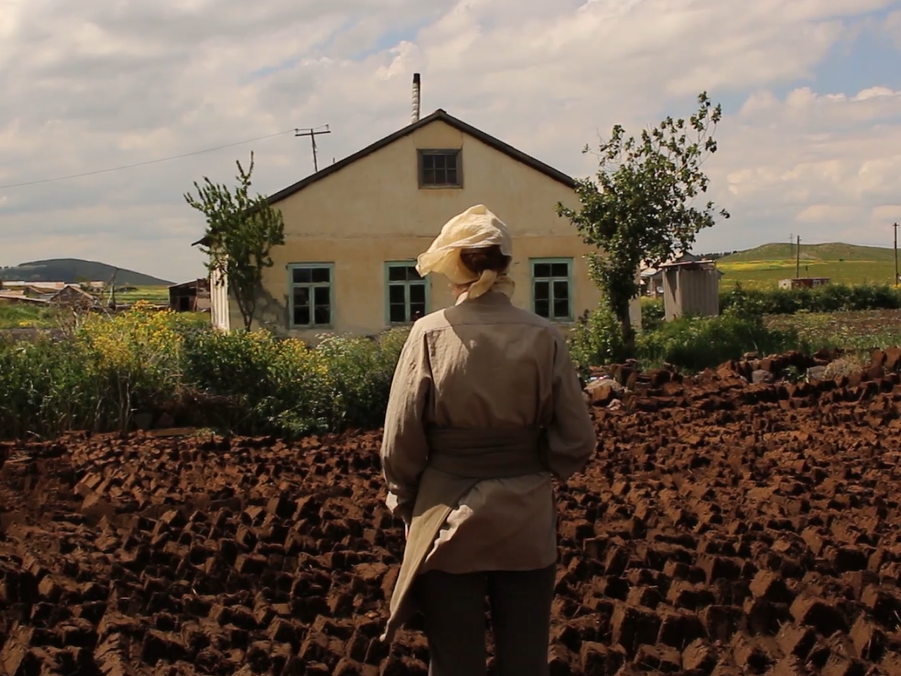
Novruz has arrived. “God is one”, says Oruc Yusubov, Yetar’s husband as he cares for his animals in the early hours.
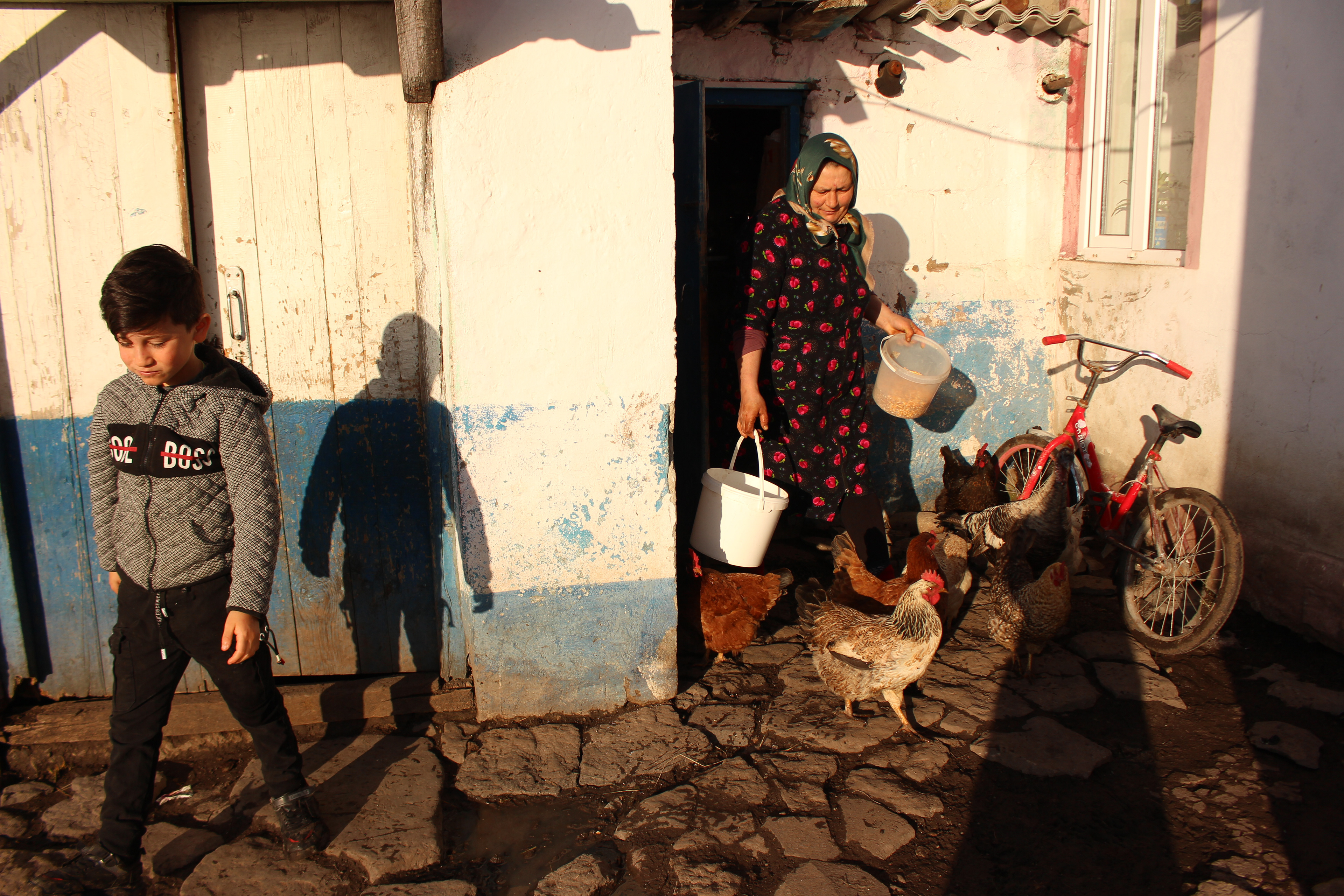
Yetar and Murad, one of her three grandchildren, go through their morning routines. She prepares to feed the chickens while the children get ready for school.
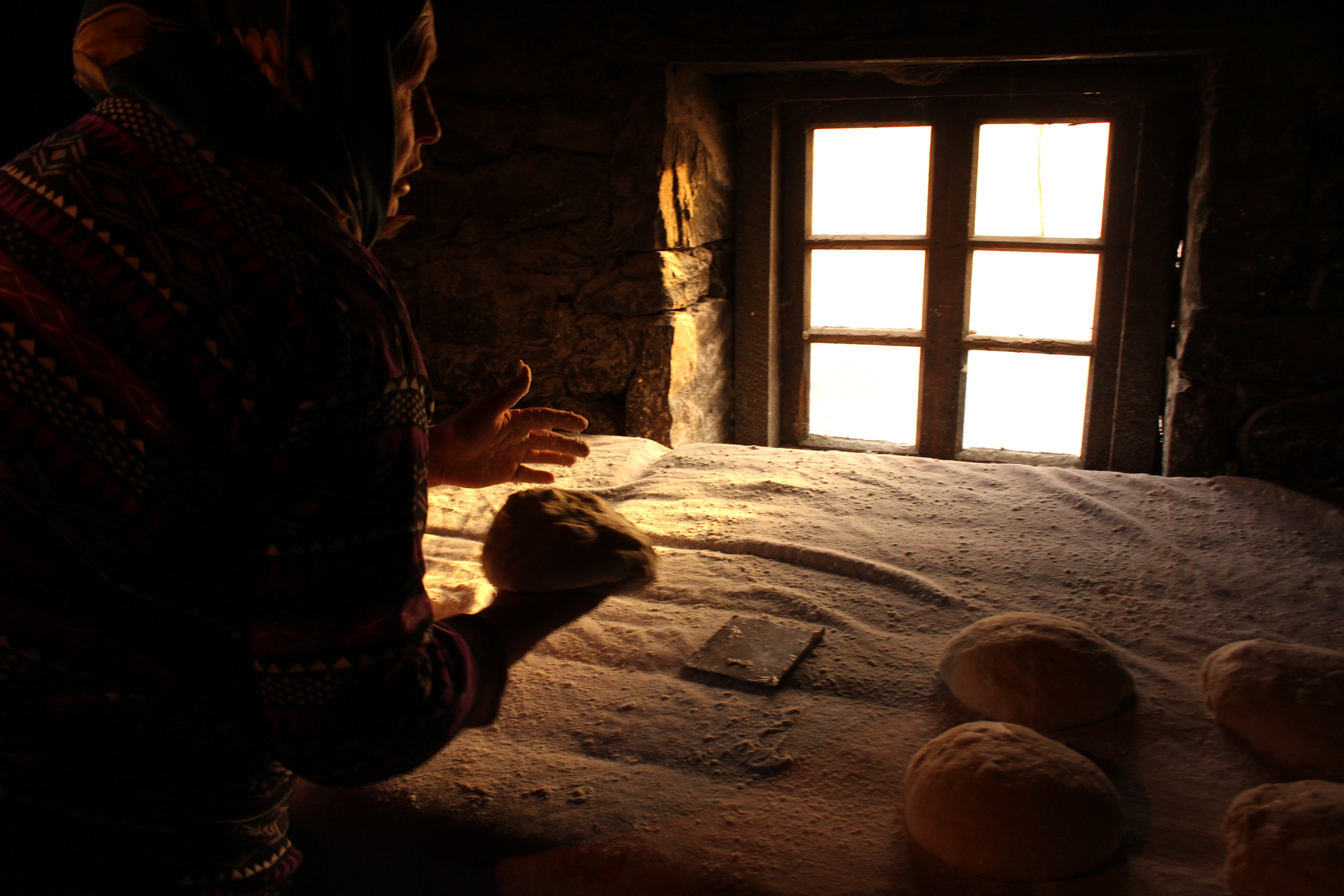
Bread dough ready for baking in one of Irganchai's five "public" bakeries - small rooms that mirror the villagers' deeply rooted sense of community. Local families set up the stone wood - fired ovens in their courtyards, and any villager who wants to bake bread can use them for free if they give the owner a loaf. By tradition, goose feathers should be used to clean the ovens and dust flour from the loaves.
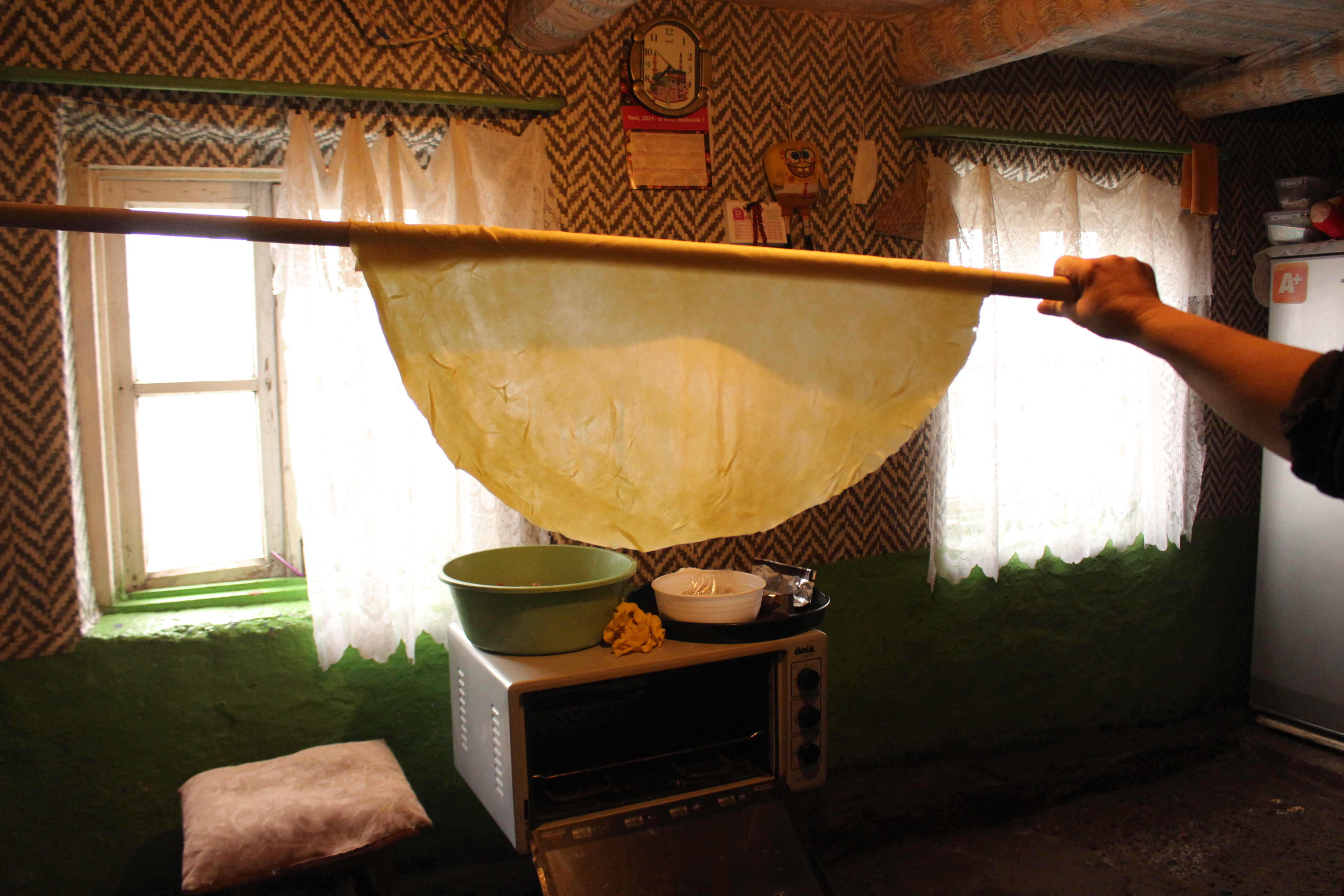
The wafer - thin dough Yetar rolled to make Shorgoghal, a must - have bun on every family's table on Novruz Bayrami. Shaped like a roll, it symbolizes the Sun. Yetar’s recipe: Knead dough made from butter, vanilla, salt and eggs. Leave it to rise. Make about 12 balls from the dough and roll each of them into thin discs. Stack the flattened round pastries and sprinkle with melted butter. Cut the discs into stripes, placing a mix of walnuts, sugar and cloves in the center. Roll each strip slightly , folding the dough from the top and bake. A sprinkle of Zira (cumin) on top of the bun is the last touch.
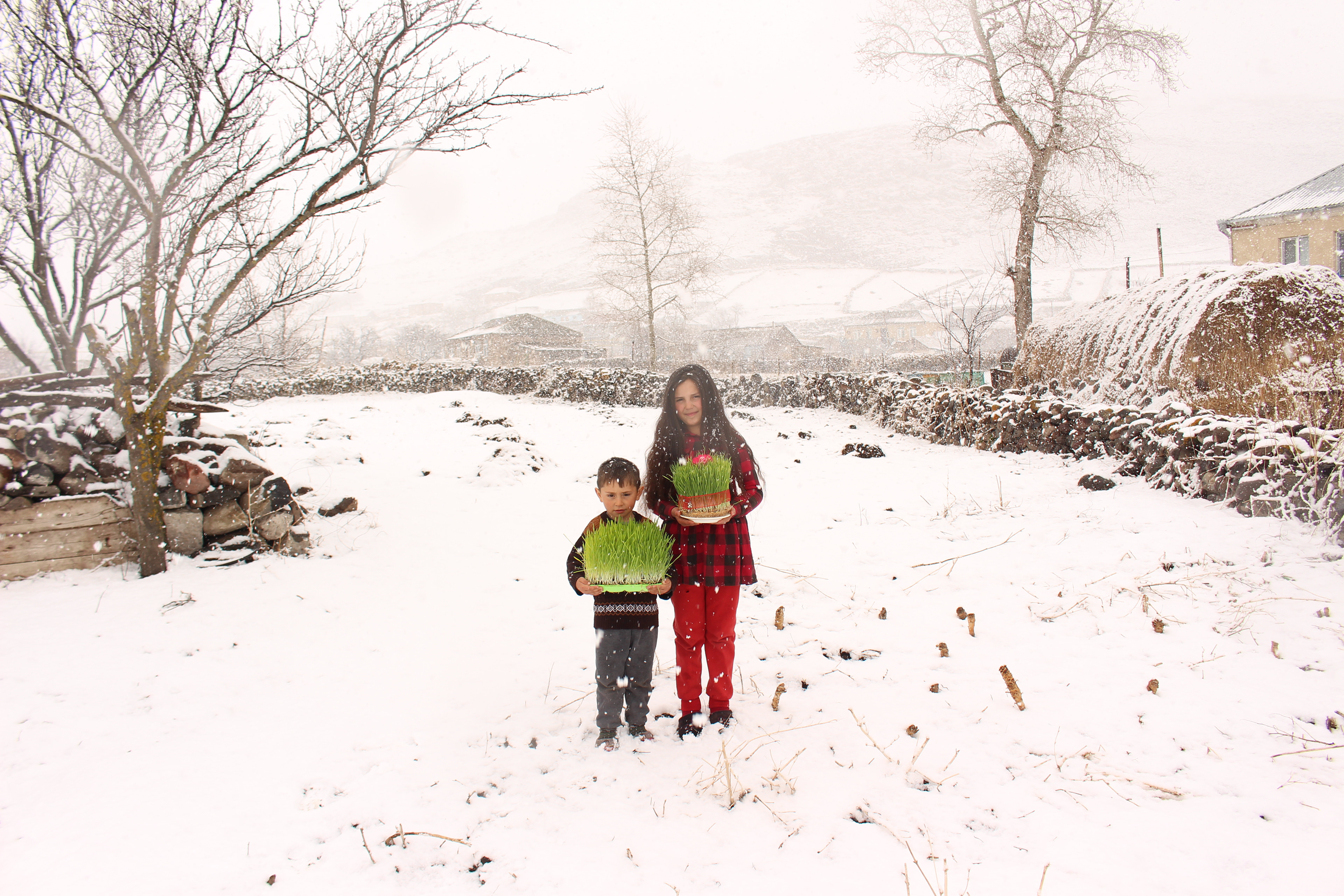
Laile and Muraz, Yetar’s grandchildren, holding boxes full of Samani, sprouted wheat – an auspicious symbol for abundant harvests and prosperity. Grown on a plate, it will become the centerpiece of the Novruz table.
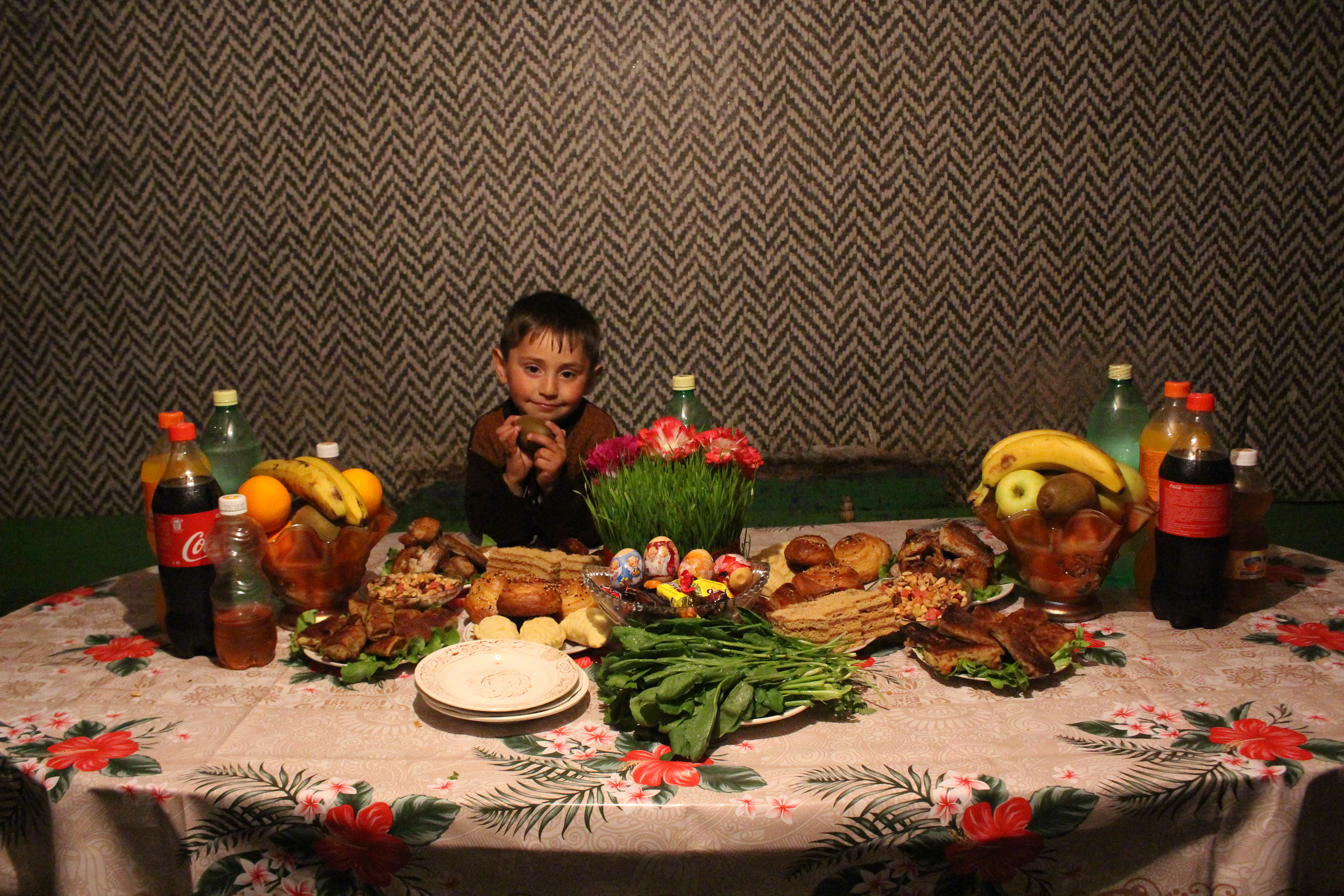
Muraz, Yetar's youngest grandson, waiting to enjoy the feast of Novruz Bayrami.
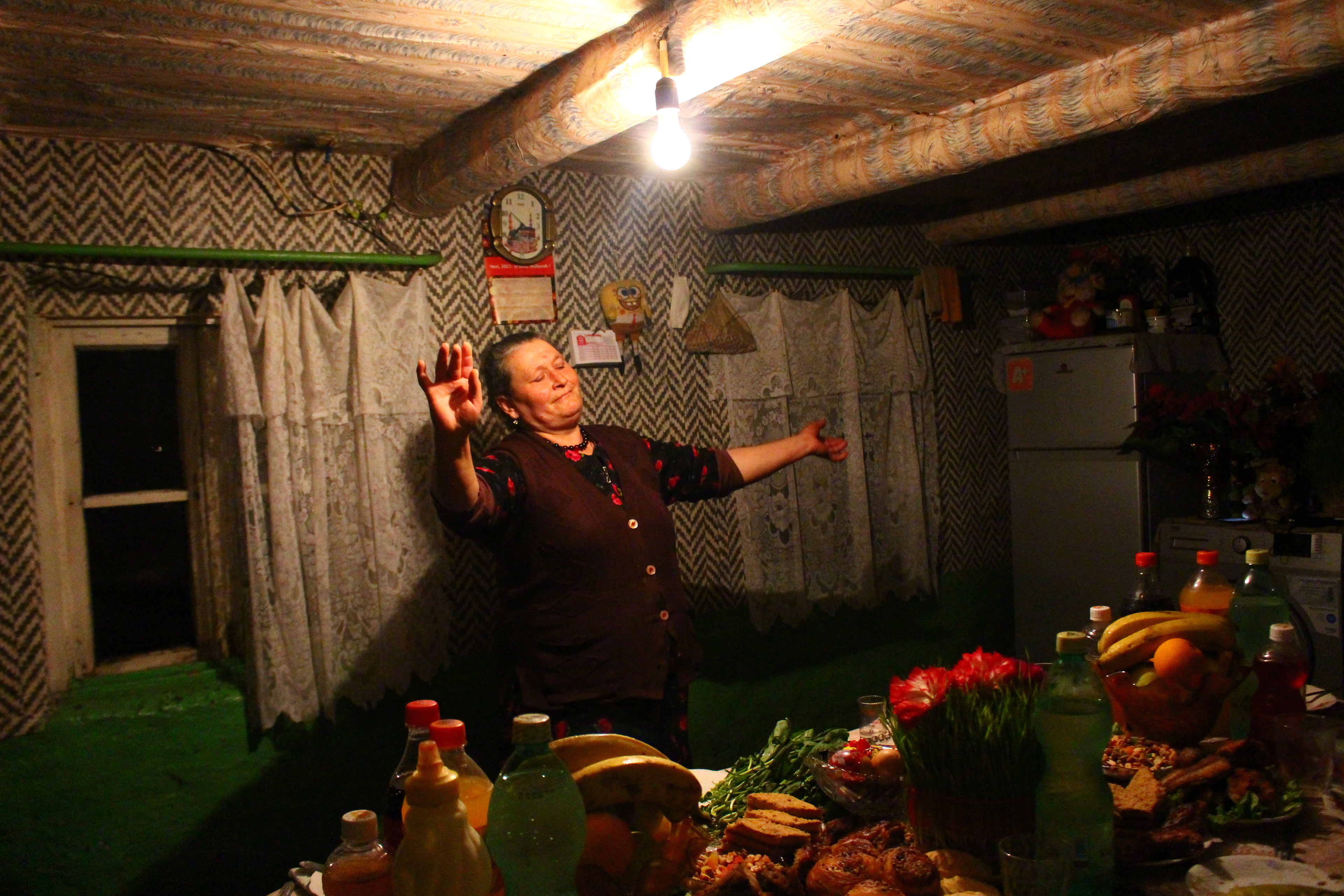
Yetar dances around the dining room on March 21. Novruz was largely banned in the Soviet Union, but Azerbaijani families maintained the tradition, celebrating at home.
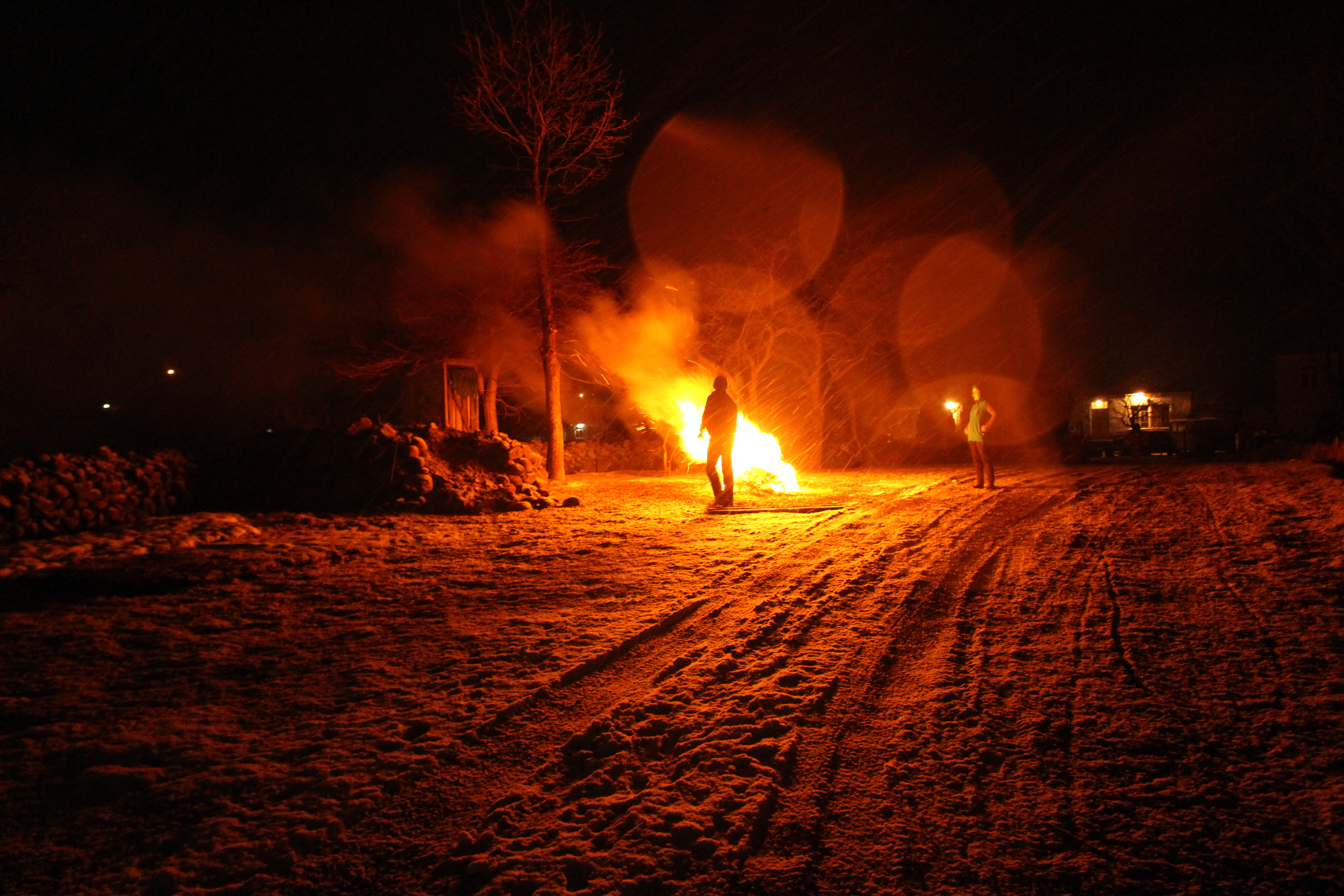
For four Tuesdays leading up to March 21, people prepare small bonfires to jump over. When they leap over the fire, they make a wish for a good and happy year without grief. Each Tuesday, known as Charshanba during the festival period, represents one of nature's four elements: water, fire, earth and wind.
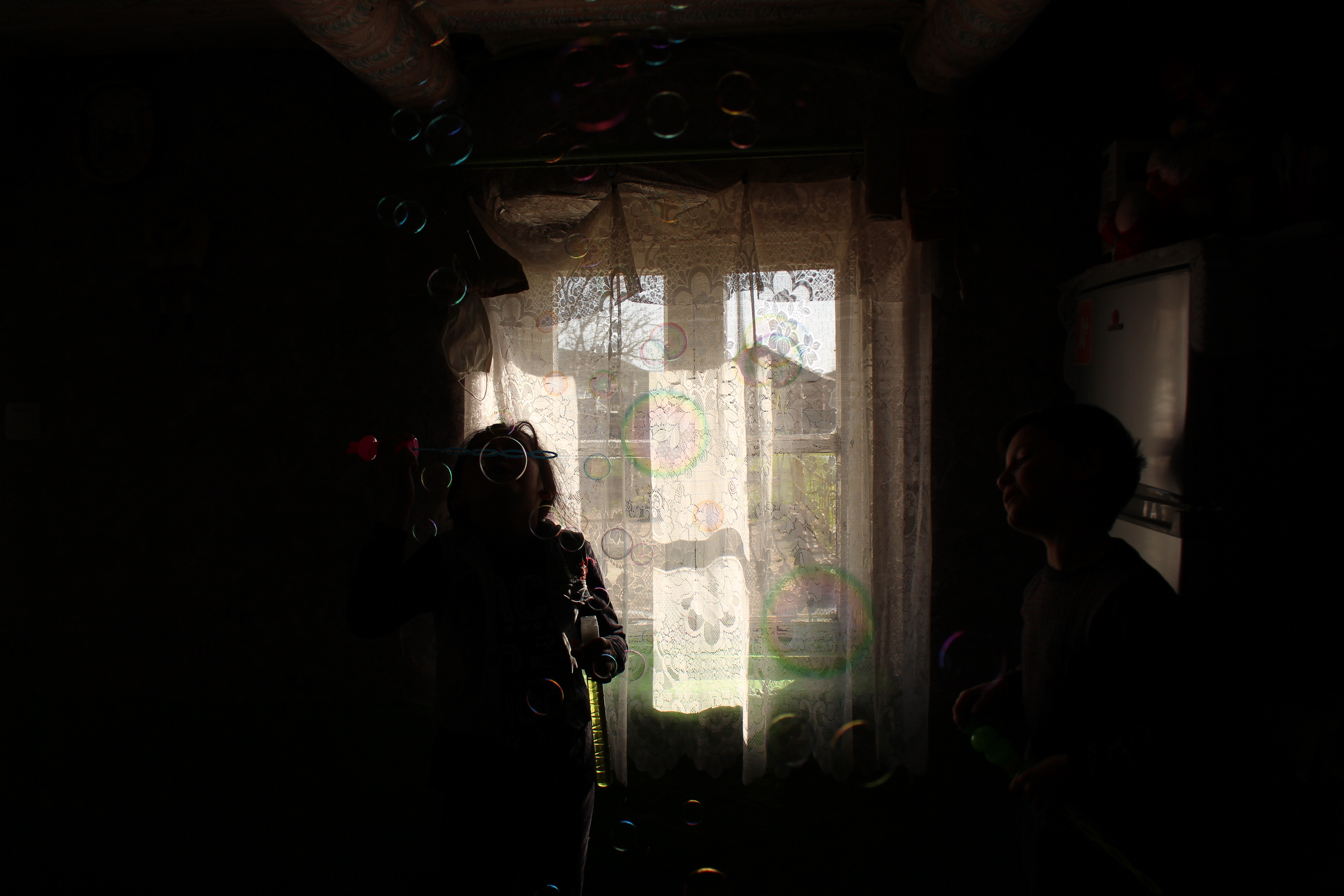
Yetar's grandchildren, Laile and Murad blowing soap bubles on a sunny spring day.
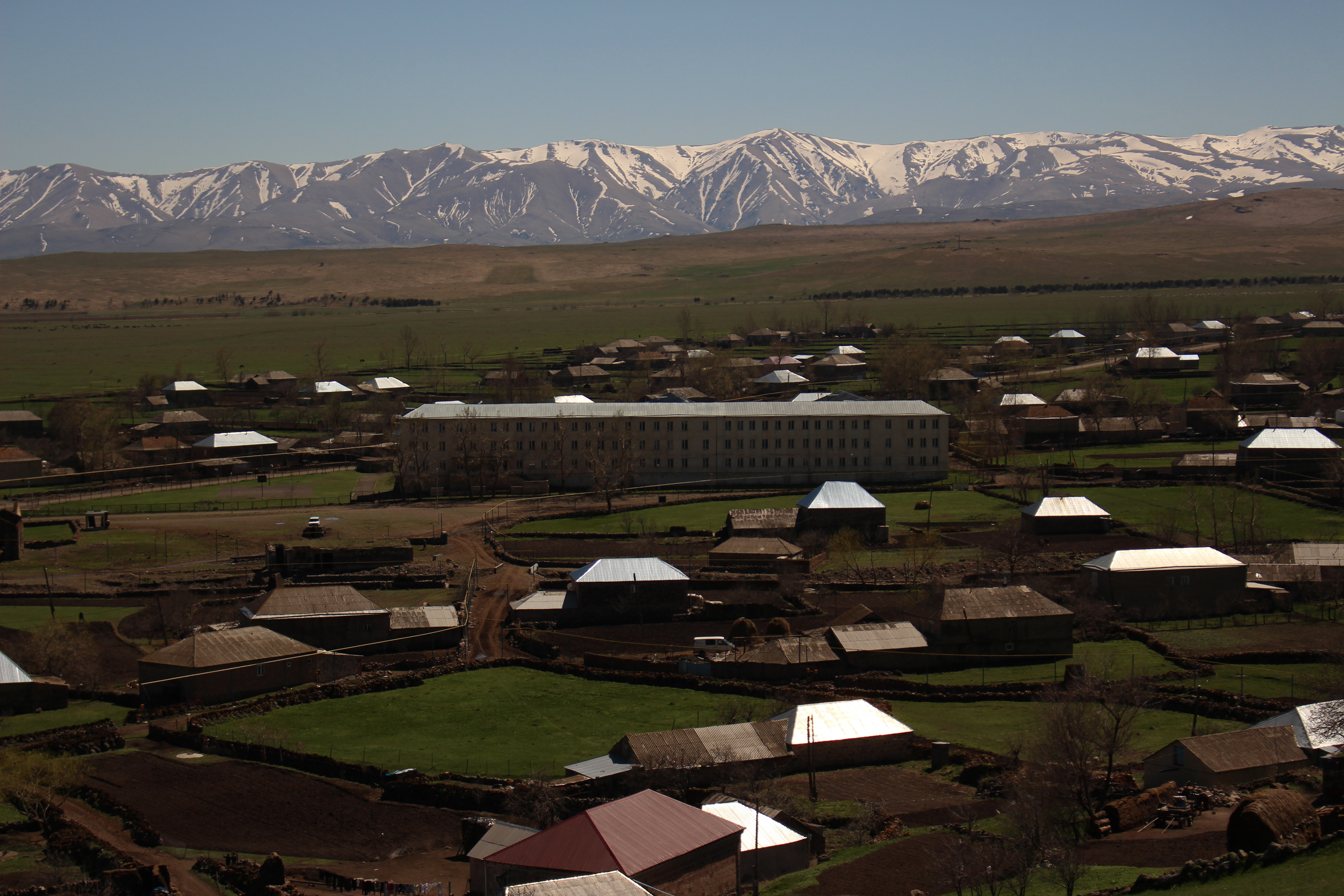
The school in Irganchai is one of the largest in the region, boasting around 400 pupils. Built in 1926 and renovated in 1987, the school provides learning in both Azerbaijani and Georgian languages.